
What a time to be alive! Fuel prices are their way to the stratosphere, two wars are burning
with targeted attacks on infrastructure: electricity production, fuel extraction, refinement, and
water desalinization. Civil runways are being cratered from drones and missiles, and a list of
critical minerals for manufacturing are deadlocked in supply chains.
Meanwhile, on the home front, terror attacks are on the rise. With the arrival of millions of un-
vetted newcomers, our infrastructure is at increased risk of being on someone’s target list.
That’s not a political statement or an incitement to fear, but a simple statement of fact.
A few things can be easily surmised. First, everything is about to get more expensive. Virtually
all the goods that are delivered to consumers in the US are moved via tractor-trailers or trains,
which, of course, burn diesel fuel. Items completely unrelated to the wars overseas, in some
way, are affected by surging fuel prices. Purchases that might have been on the back burner
may very well be reconsidered on economics alone.
Second, the domestic security threat profile is increasing. American transformer facilities,
refineries, fuel depos and like installations are at an increased risk. Consider that targets like
these are being attacked in a tit-for-tat fashion. One country hits a desalinization plant, the
adversary does the same. Once a civil target class has been attacked, it appears to be on the
menu for everybody. Will someone consider our civil infrastructure to be fair game? This is an
excellent reason to maintain an emergency power source for refrigerated items, well pumps,
etc.
Finally, scarcity often becomes a challenge during these times. Everybody remembers the great
Covid toilet paper shortage. After Snow-pocalypse, generators, PVC, and pool pumps were
listed as “Unobtanium” from suppliers. Two years later – Ice-mageddon pulled down
powerlines, burst pipes and single-handedly bumped the stock prices of chainsaw
manufacturers. The emergency planning that everyone has put in the “ill get to it later box”
may be revisited before they become scarce.
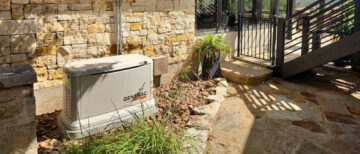
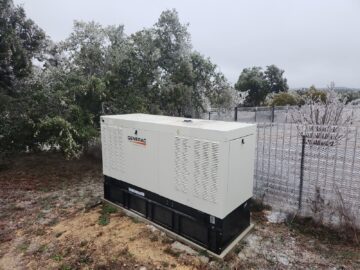
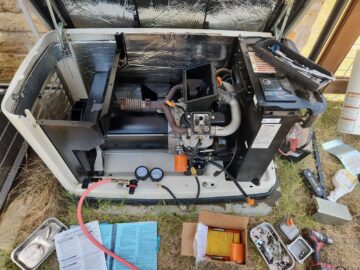
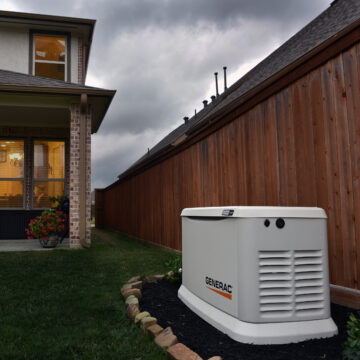
Generators are an obvious item on the emergency planning list. Whole-house generators are
relatively costly in terms of the unit, the skilled labor to install properly, the fuel to run it, and
the cost to maintain it. However, one can argue that contemporary threats make emergency
power a good consideration not for tomorrow, but for today.